

Young People – Beware of Quick Loans
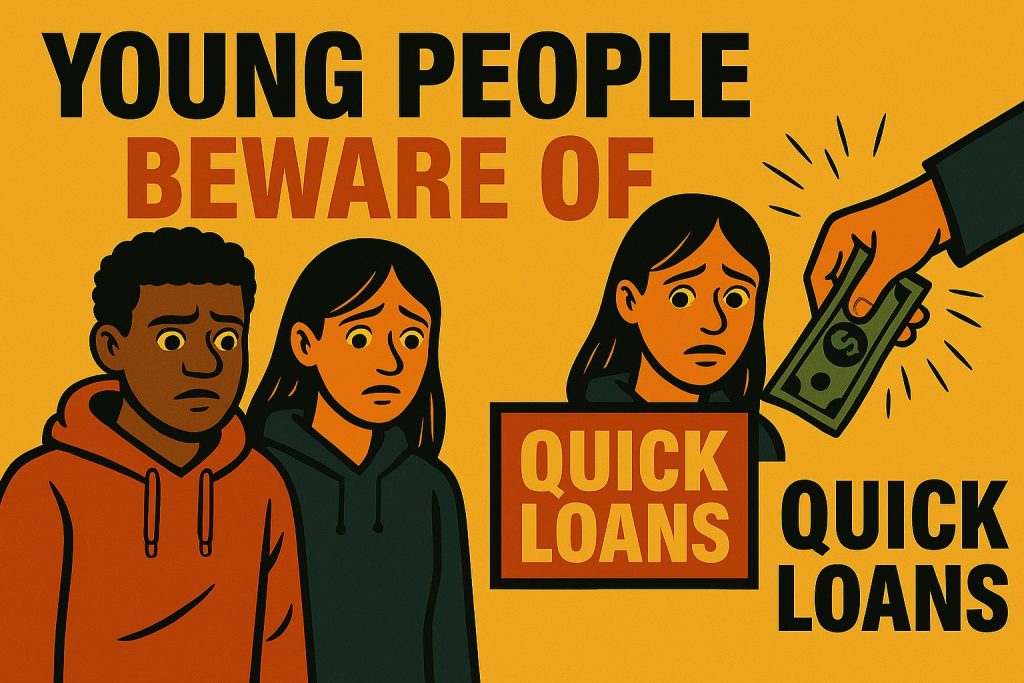 In the bustling city of Nairobi, a group of ambitious youth found themselves at a crossroads. Eager to pursue their dreams and ambitions, they discovered a seemingly magical solution — mobile loans.
At first, it felt like a beneficial outfit — the ability to access funds swiftly, no tedious paperwork, and no long waits. However, the magic soon revealed its true nature. What seemed like a staircase to dreams became a slippery slope of debt. The youth, enticed by the ease of borrowing, started accumulating multiple loans without fully grasping the repercussions.
As dreams of entrepreneurship, education, and personal growth danced in their minds, the burden of debt grew heavier. The interest rates, like invisible shackles, tightened around them. The once-promising journey now felt like a maze, with each missed payment leading to anxious calls and messages from lenders. The dreams that once sparked motivation now fuel stress and financial insecurity.
Yet, amid this struggle, a realization dawned on the youth. They understood the importance of financial literacy, of navigating the digital loan landscape wisely, and of distinguishing between a stepping-stone and a pitfall. With newfound knowledge and a commitment to responsible borrowing, they began the challenging climb out of debt, determined to rewrite their financial story and inspire others to do the same.
And so, the youth learned that while the allure of quick solutions may be tempting, the true magic lies in understanding, prudence, and the journey toward financial empowerment.
In the dynamic landscape of personal finance and easy loans, young people are often presented with contradictory messages on debt. While cautionary tales of debt traps and financial struggles abound, a strategic and informed approach to debt can be a powerful tool for young people to kickstart their financial journey.
How the Youth Need to View Debt
Debt comes in various forms, each with its implications. Student loans such as HELB, for example, can be viewed as an investment in education, potentially leading to higher earning potential in the future. On the other hand, credit card debt, Fulizas, or even digital loans, if not managed wisely, can quickly become a financial burden. This section breaks down common types of debt, emphasizing the importance of distinguishing between ‘good’ and ‘bad’ debt.
Mindset Shift among the Youth
Building a healthy relationship with debt starts with a shift in mindset. The youth are encouraged to view debt not as a burden or a tool for instant gratification but as a strategic investment into their future. Understanding the purpose behind taking on debt sets the stage for responsible financial decision-making.
How the Youth Ought to View and Manage Debt
- Setting clear goals for borrowing a loan.
- Create a budget that includes debt repayment.
- Regularly reviewing one’s financial situation.
In conclusion, the strategies above help the youth build a healthy credit profile and score which later becomes a financial passport, opening doors to favorable interest rates on loans and facilitating significant milestones such as buying a home, land, or starting a business.